
Why Your Termite Management System Doesn't Replace Annual Inspections
Many homeowners assume that once a physical termite management system is installed, their home is protected and they can tick termites off the worry list. This job in Tallai is a good reminder of why that thinking can be costly.
Lincoln attended a property that had a physical termite management system in place, the kind of barrier designed to deter subterranean termites from entering the structure undetected. Despite this, the termites had breached the system and made their way into the home. By the time the damage was uncovered, they had worked through plasterboard, skirting boards, window frames, timber beading, and other timber elements within the structure. The photos show extensive mudding and hollowed-out material consistent with an active or recent termite attack.
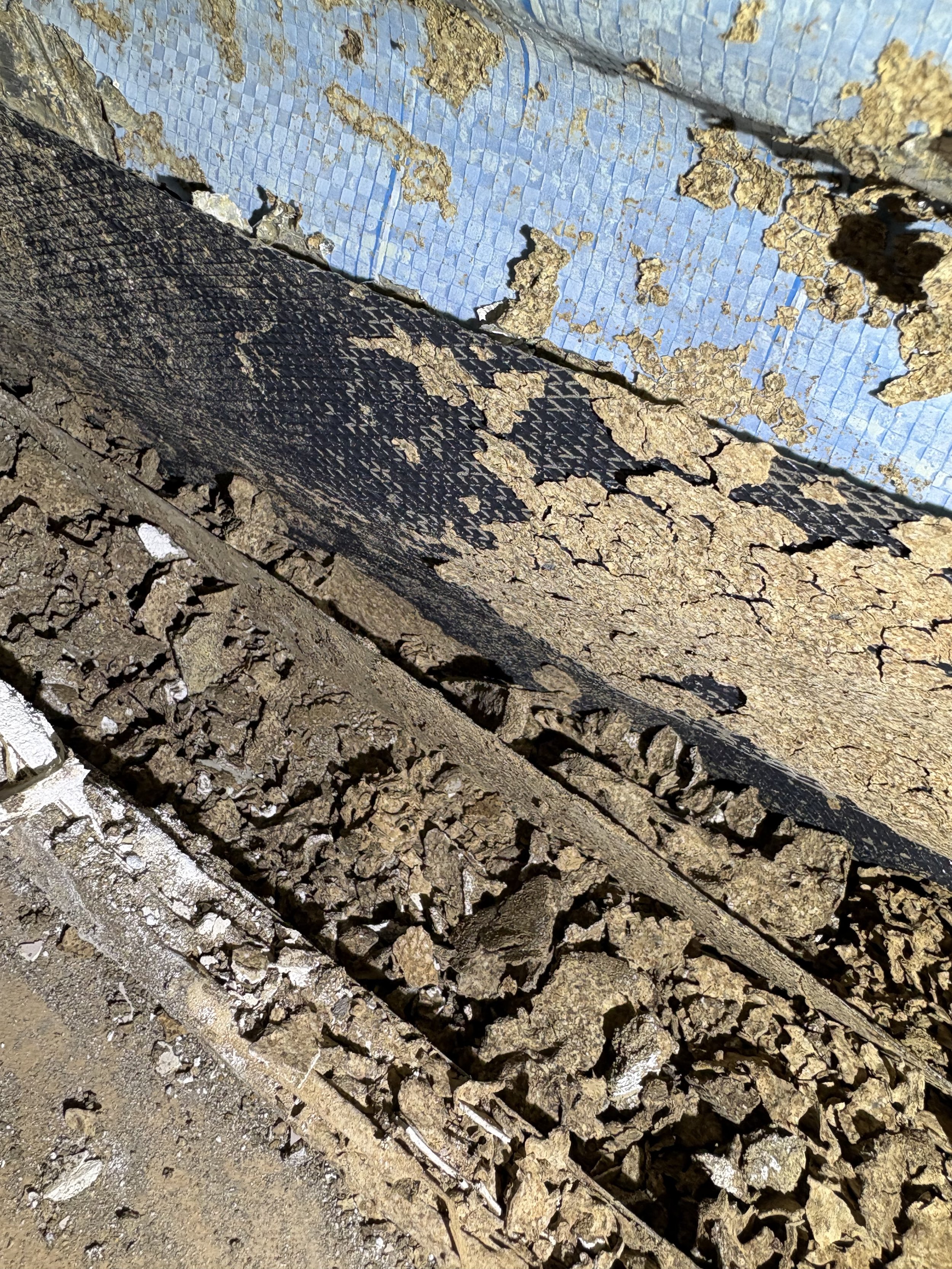
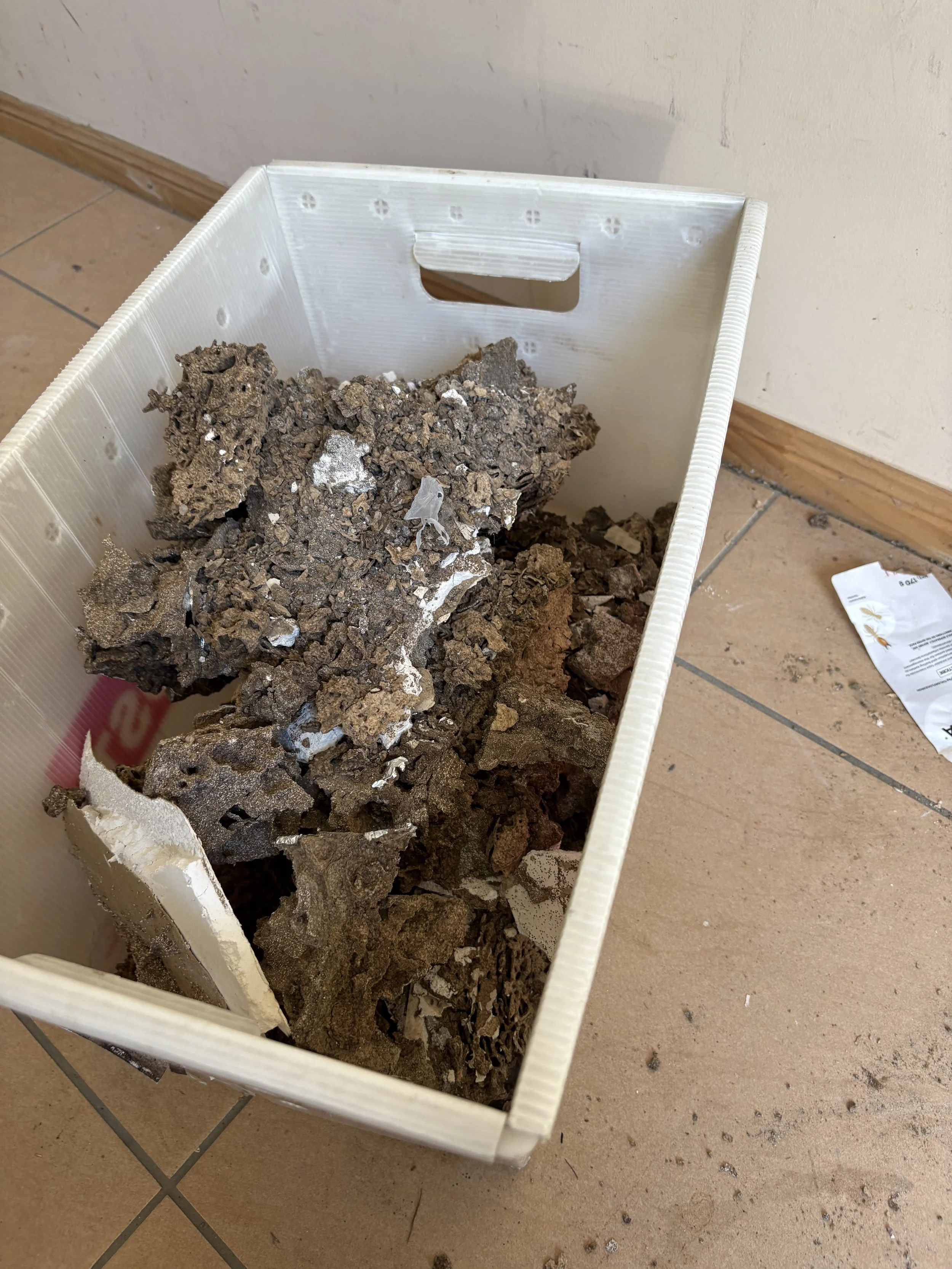
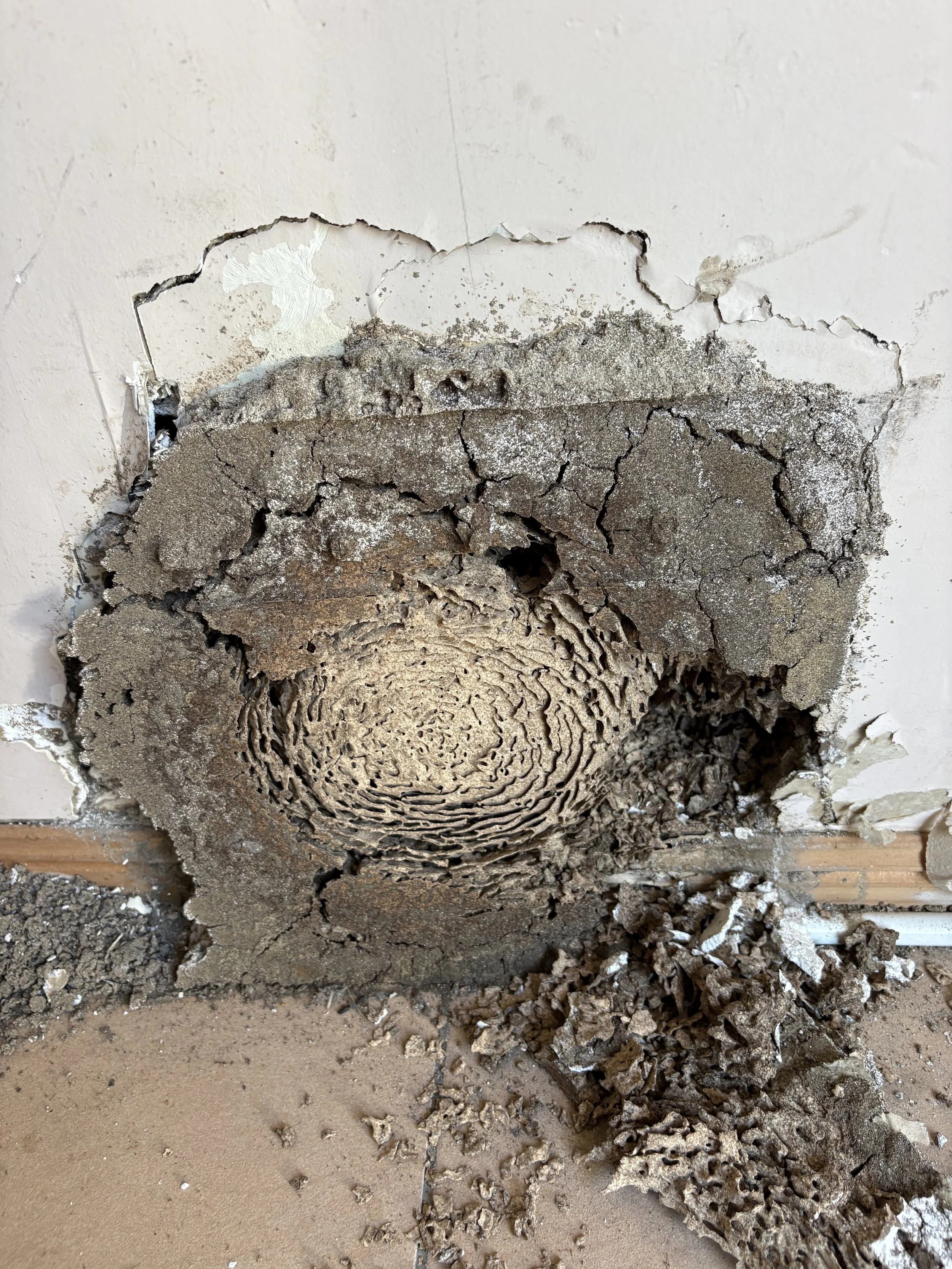
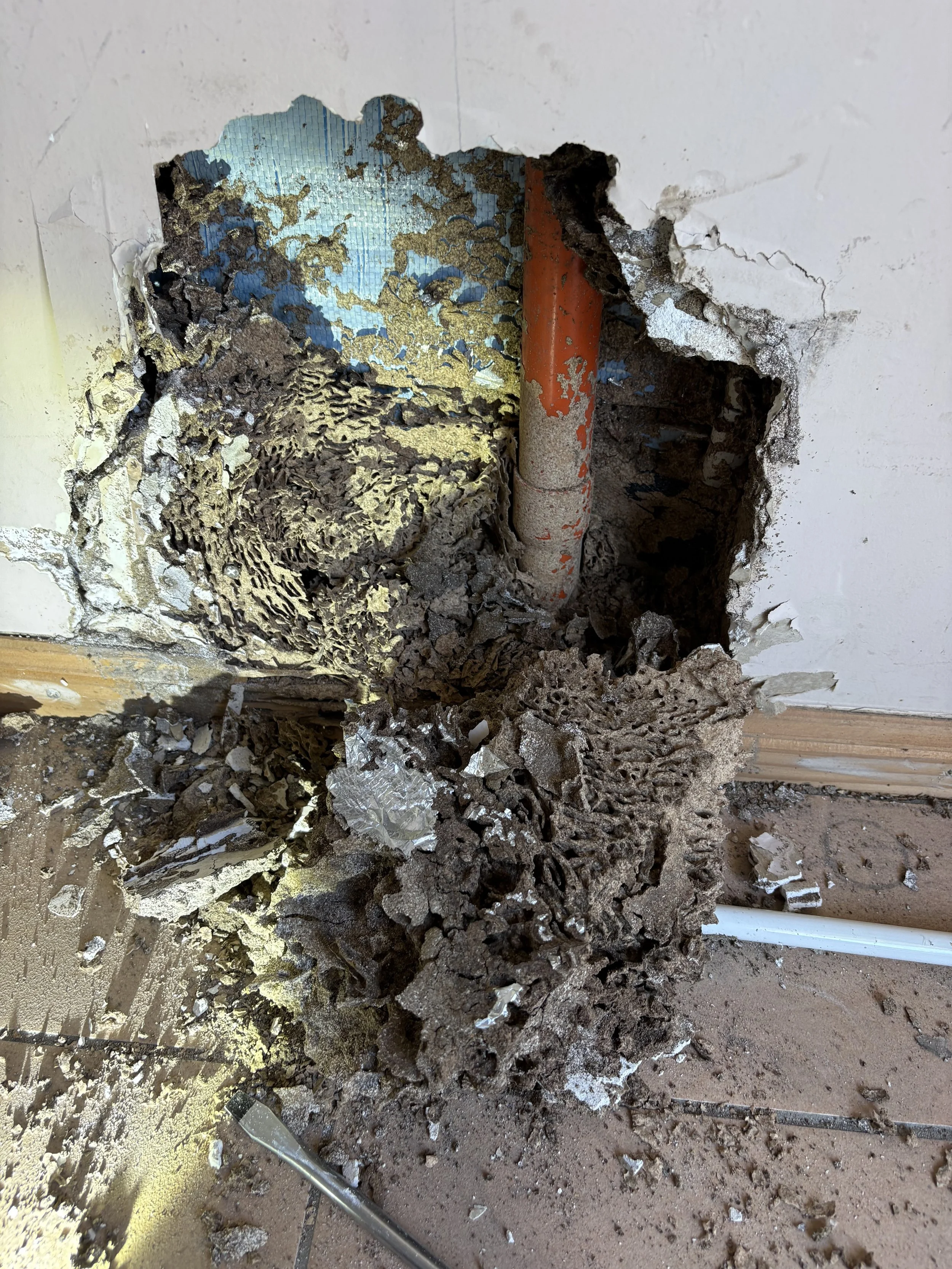
This is not an unusual outcome. Physical management systems are an important layer of protection, but they are not a set-and-forget solution. Termites are persistent, and they will exploit any gap, penetration point, or area where the system has degraded or been disturbed over time. The same principle applies to homes that might otherwise seem lower risk due to their construction type. Termites do not discriminate, and any structure with accessible timber is a potential target.
What homeowners should watch for includes bubbling or hollow-sounding walls, mud leads along foundations or skirting boards, damaged or soft-feeling timber, and doors or windows that have begun sticking without an obvious cause. Often, though, there are no visible signs at all until significant damage has already occurred, which is why professional annual inspections are so important.
If you're in Tallai or the surrounding area and haven't had a termite inspection recently, or if you have a management system that hasn't been checked in the past year, it's worth getting eyes on it sooner rather than later. Get in touch with Pestlinc to arrange a termite inspection and get a clear picture of where your home stands.